
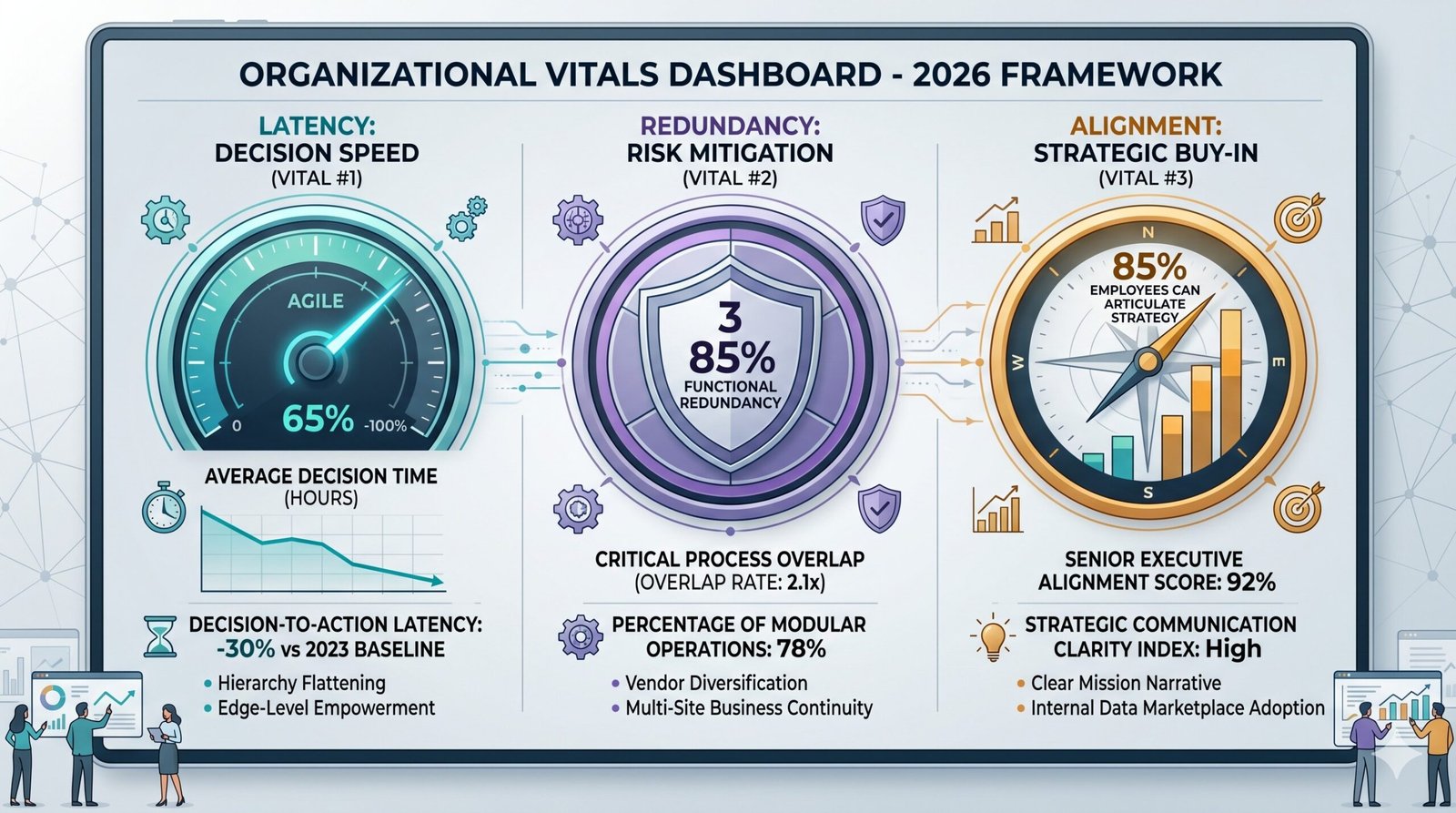

Benchmarking generative AI literacy lets firms quantify operational exposure, align client governance, and price advisory risk across the Mid-Atlantic corridor.
Firms that measure literacy map competence to contractual obligations, compliance regimes, and incident windows, which directly affects fee models and liability reserves.
The evidence suggests boards will treat literacy scores as financial controls, with measurable impact on bid eligibility for federal and state contracts across DC, MD, VA, PA, and DE.
Benchmarking Generative AI Literacy in Mid-Atlantic Firms
Local Market Calibration
Firms must align literacy scales to regional market realities, including federal contracting dynamics and state-specific privacy statutes, so leadership can convert scores into actionable contract language.
Assessments should weight client-facing roles and security operations differently, since a partner drafting an RFP poses a different risk profile than an ML engineer handling PII.
Strategic Takeaway: Use a weighted literacy index to price indemnities and track bid disqualification risk in VCDPA and Pennsylvania breach notification contexts.
Measurement Methodology
A defensible benchmark combines direct assessment, work-sample audits, and scenario-based tabletop exercises tailored to Mid-Atlantic sectors such as defense services, financial institutions, and healthcare providers.
Quantitative elements must include threshold pass rates, remediation timelines, and repeat-failure penalties, all mapped to contractual SLA triggers and procurement evaluations.
Firms that embed continuous measurement reduce time-to-remediation by measurable margins, lowering exposure during compliance audits and vendor due diligence.
The Mid-Atlantic Professional Review frames this briefing as strategic intelligence for C-suite, board, and legal leadership contemplating how generative AI literacy benchmarks preserve client trust and manage regional regulatory risk.
Protecting Client Trust Through Operational Benchmarks
Generative AI literacy benchmarks turn soft competencies into contractual levers that protect client confidentiality, accuracy expectations, and reputational exposure.
Benchmark outputs should inform clause-level protections, audit rights, and escalation matrices that preserve fiduciary obligations for institutional clients in the corridor.
Clients value demonstrable, auditable measures more than aspirational policies; firms that document remediation velocity maintain higher renewal rates with regional institutional accounts.
Contractual Levers
Translate literacy tiers into scope-of-work appendices, with explicit delineation of permitted prompt classes, data handling protocols, and escalation timelines tied to remediation benchmarks.
Contract language must reference operational thresholds and specify independent validation mechanisms to trigger warranty or indemnity clauses.
Legal teams that integrate literacy scores into master services agreements lower indemnity disputes and reduce settlement frequency.
Communication & Reputation
Firms must present literacy results to clients as operational facts with remediation plans, avoiding marketing rhetoric that inflates capability.
Clear reporting builds trust with boards and GC offices that prize empirical controls for sensitive engagements, particularly in government-facing work.
Strategic Takeaway: Frame literacy results as operational controls validated by tabletop exercises and external audits to preserve institutional trust.
Regional Compliance Matrix and Risk Scoring
A regional compliance matrix ties literacy, data flows, and contractual exposure to jurisdictional obligations across DC, MD, VA, PA, and DE for precise risk scoring.
Regulatory variance dictates different thresholds for acceptable handling of personal data and contract performance, so a one-size benchmark creates hidden liability.
Operational teams must maintain a live matrix to avoid compliance drift and to feed procurement and legal scoring systems used during RFPs.
MPR Generative AI Literacy Scorecard
The MPR Scorecard aligns literacy tiers to governance controls and client impact, enabling quick underwriting of proposals and clarifying remediation budgets.
Use the Scorecard as the single source for pricing compliance covenants and determining whether to accept, bid with conditions, or decline engagements.
Strategic Takeaway: The scorecard should sit inside vendor risk workflows and be updated quarterly to reflect legislative changes and audit outcomes.
| Firm Size | Literacy Tier | Governance Score (0-100) | Ops Maturity (0-100) | Client Exposure (0-100) | Regional Compliance Risk |
|---|---|---|---|---|---|
| Small (10-50) | Tier 2 | 48 | 40 | 62 | Moderate |
| Medium (51-250) | Tier 3 | 67 | 58 | 45 | Elevated |
| Large (250+) | Tier 4 | 82 | 76 | 28 | Low |
Operational Literacy Deployment
Deploying literacy assessments requires integrating testing into talent workflows, learning paths, and incident playbooks to ensure consistent remediation and auditability.
Operational deployment must map roles to required literacy levels, include pass/fail remediation windows, and connect results to compensation and promotion decisions.
The regional low-hire, low-fire labor environment makes targeted upskilling and portable certification critical to retain institutional knowledge while meeting client expectations.
Training & Certification
Create modular certification aligned to actual tasks: prompt design, data sanitation, hallucination mitigation, and forensic logging of model outputs.
Trainings must be scenario-driven, recorded, and repeatable, enabling legal teams to demonstrate due diligence in disputes or regulatory inquiries.
Firms that certify client-facing staff cut time-to-resolution for model-related errors and increase transparency on deliverables.
Operational Instrumentation
Instrumentation includes standardized logging, immutable audit trails for prompt-output pairs, and time-stamped remediation tickets integrated with incident response.
Operational teams must ensure logs meet evidentiary standards for both internal review and external audits, preserving chain-of-custody for contested outputs.
Strategic Takeaway: Instrumentation that ties literacy assessments to audit-quality artifacts reduces litigation risk and supports rapid client reporting.
Vendor Governance and Procurement Controls
Procurement must incorporate literacy benchmarks as mandatory pre-qualification criteria to prevent supply-chain exposure and to control third-party AI dependencies.
Vendor scorecards should combine internal literacy, vendor governance posture, and third-party attestations to create composite risk ratings used in procurement decisions.
Sourcing teams that downgrade vendors with low literacy scores avoid cascading compliance failures, particularly for government-contracted programs with strict security baselines.
Third-Party Assessment
Demand independent validation from vendors for their model training data provenance, red-team results, and evidence of bias mitigation practices.
Procurement contracts should include remediation SLAs, audit rights, and clear termination triggers tied to benchmark breaches to preserve client confidence.
Vendor noncompliance must map to contract penalties and alternative sourcing plans to avoid programmatic disruption.
Pricing & Liability Allocation
Benchmark scores must feed pricing models and liability allocation, with higher-risk engagements carrying premium fees or tighter indemnity caps.
Actuarial input helps quantify expected loss from model errors, calibrating reserves and pricing for long-term client engagements.
Strategic Takeaway: Price transparency linked to literacy reduces negotiation friction and aligns commercial incentives with client protection.
Workforce Signals and Institutional Incentives
Literacy benchmarking should inform compensation, promotion, and hiring to ensure institutional incentives align with client-facing risk management.
Firms that tie bonuses to remediation performance and audit compliance reduce the chance of staff circumventing controls to meet delivery deadlines.
The regional talent market requires hybrid incentives: career ladders for AI practitioners balanced with governance KPIs for client-protection roles.
Talent Sourcing
Target hires with documented audit experience, regulatory exposure, or public sector contracting history to bridge compliance and delivery expectations.
Sourcing should favor candidates who can produce work-samples demonstrating alignment with Mid-Atlantic regulatory regimes and procurement demands.
Firms that prioritize hire profiles with compliance pedigrees reduce ramp time for government and institutional clients.
Retention & Career Paths
Create dual career paths that reward technical excellence and governance leadership, so staff do not choose between product output and compliance.
Certification ladders and protected time for audit and remediation work keep institutional knowledge within the firm and lower client disruption risk.
Strategic Takeaway: A balanced incentive model lowers staff exit risk and preserves client trust by making governance a career advantage.
Incident Response, Forensics, and Remediation Economics
Benchmarking informs incident response by setting expected detection windows, escalation criteria, and remediation cost models before incidents occur.
A quantified literacy baseline clarifies which incidents require forensic escalation, external notifications, or client compensation, enabling faster board-level decision-making.
Operational teams that pre-price remediation can convert incidents into predictable liabilities rather than open-ended reputation events.
Forensic Readiness
Maintain playbooks that tie literacy failures to tangible evidence requirements, specifying log retention, analyst roles, and external expert engagement triggers.
Forensic readiness reduces legal exposure by producing forensically sound artifacts that hold up in dispute resolution or regulatory review.
Firms that invest in forensics cut time to closure and limit client reputational damage.
Remediation Economics
Model remediation cost based on literacy tier, typical error types, and client exposure, creating ready budgets for rapid response teams and external counsel.
Budgeting against the scorecard removes procurement delays and expedites client remediation, which preserves renewal likelihood and referral potential.
Strategic Takeaway: Predefined remediation economics convert ad hoc expenses into managed risk items, supporting consistent client outcomes.
Conclusion: Beyond the Prompt: How Mid-Atlantic Consulting Firms Benchmarking Generative AI Literacy Protect Client Trust
Benchmarking generative AI literacy converts vague capability claims into auditable controls that boards, general counsels, and procurement officers can use to make high-stakes decisions.
Firms that embed literacy into contracts, procurement, talent systems, and forensic readiness reduce bid disqualification risk, shorten remediation windows, and preserve institutional trust across DC, MD, VA, PA, and DE.
Forecast: Over the next 12 months, expect stronger contract clauses referencing literacy scores, increased use of the NIST AI RMF as a validation baseline, targeted state-level privacy clarifications, and market pressure for vendor-attested scorecards as a condition of participation in major regional deals.
The title above summarizes the strategic imperative and the projection for the coming year in the Mid-Atlantic corridor.
FAQ
What operational controls should a Mid-Atlantic consulting firm require from vendors bidding on state-level contracts?
Require vendor-attested literacy tiers, documentation of training data provenance, and evidence of neutral third-party audits. Contract terms must specify audit windows and remediation SLAs. This combination creates enforceable procurement gates that align vendor performance with state-level privacy expectations and federal contracting norms.
How should boards evaluate the financial impact of generative AI literacy deficiencies in a potential acquisition?
Boards should quantify remediation reserves, project bid disqualification rates, and model client churn tied to exposure scores. Use the MPR Scorecard to convert literacy into dollar metrics for indemnity sizing, reserve funding, and purchase price adjustments during diligence. This approach makes risk visible and negotiable.
In a breach scenario involving hallucinated outputs, what evidence will regulators and GCs demand from consulting firms?
Regulators and GCs will require immutable logs of prompts, model versions, output timestamps, and mitigation steps taken immediately after detection. Maintain chain-of-custody for artifacts and a forensics-ready playbook to satisfy discovery and regulatory review. Rapid provision of such evidence reduces enforcement severity.
How do compensation structures affect the lifecycle of literacy within client-facing teams?
Compensation that rewards remediation, audit compliance, and documentation preserves governance behavior, while performance-only models incentivize shortcuts. Embed literacy KPIs into bonuses and promotion criteria to align staff incentives with client protection, reducing the frequency of repeat incidents and underpinning client trust.
What procurement language most effectively converts literacy benchmarks into enforceable contract terms?
Use explicit appendices tying literacy tiers to permitted data classes, audit frequencies, and termination triggers. Include objective scoring, independent validation rights, and predefined remedies for benchmark breaches. Clear legal thresholds make enforcement straightforward and limit interpretive disputes.
Tags: generative AI literacy, Mid-Atlantic, benchmarking, procurement, compliance, MPR scorecard, incident response