
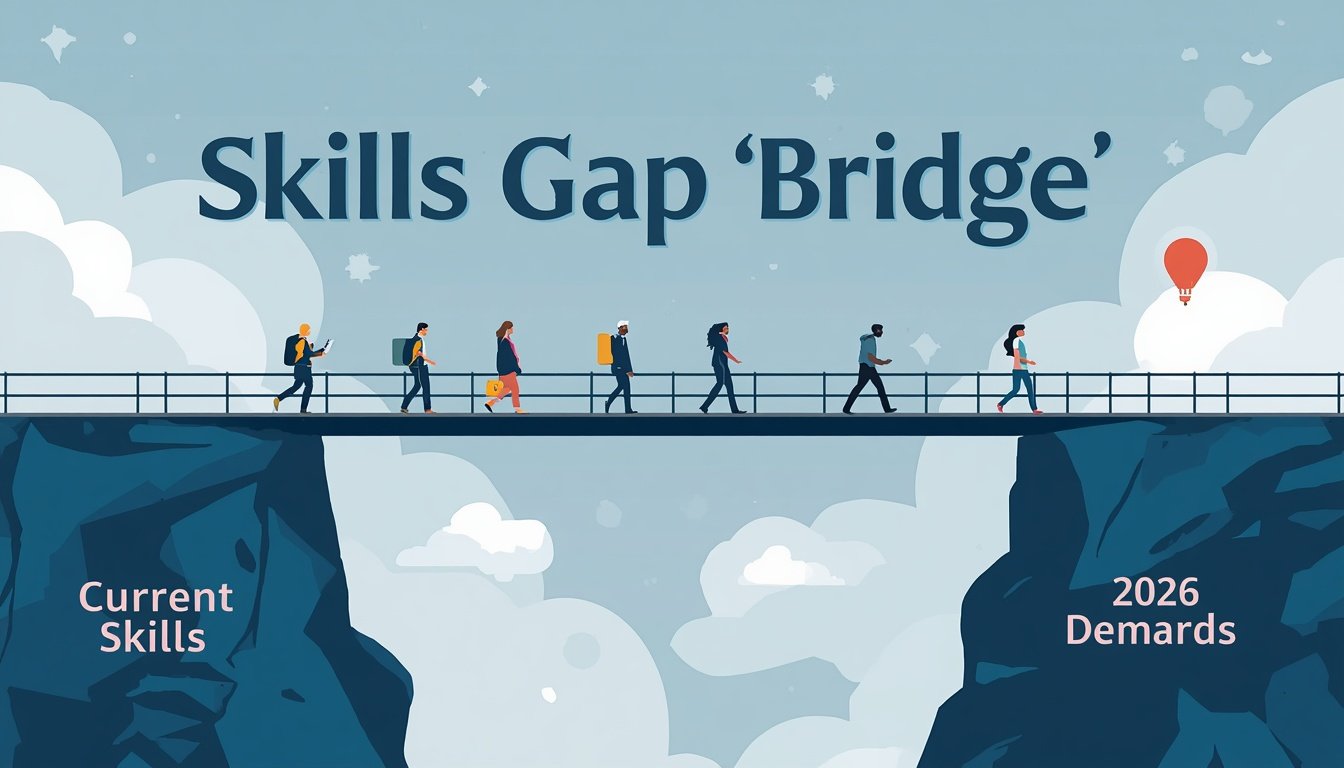

Building a personal brand inside a corporation can strengthen resilience, retention, and execution quality. It also creates risks if you ignore governance, workforce planning, and stakeholder trust. This paper frames personal branding as a workforce strategy problem, not a marketing exercise. As a workforce strategist, I treat brand building as controlled institutional influence, tied to measurable outcomes.
I outline how professionals align brand goals with corporate workforce strategy, while protecting compliance and internal equity. I also provide tools, metrics, and an implementation roadmap that leaders can audit. The goal remains clear: build credibility that improves productivity and reduces human capital volatility. You can do this across functions, sites, and hierarchy levels.
The core premise is simple. Your brand should signal value you deliver, in the language the organization uses. When that signal matches workforce priorities, the firm benefits. When it conflicts, the firm resists, regardless of personal intent.
Align Personal Brand Goals With Corporate Workforce Strategy
Translate “Brand” Into Workforce Outcomes
Personal branding starts with workforce outcomes, such as reduced time-to-competency, higher quality delivery, and stronger internal mobility. Corporations already fund workforce initiatives, including learning, performance, and succession programs. You should link your personal brand to those funded mechanisms.
Identify the firm’s workforce strategy themes first. Examples include capability building for critical roles, retention of scarce talent, and leadership bench development. Then map your strengths to these themes. This approach shifts your brand from perception to measurable workforce impact.
To make the mapping concrete, define three outcome statements. Each statement should tie to a workforce metric the company tracks. You can use quality metrics, project throughput, safety performance, customer response time, or operational cost.
Use a small set of consistent messages. One message should cover impact, one should cover capability, and one should cover collaboration. This structure supports clarity across HR, line managers, and cross-functional stakeholders. It also prevents your brand from drifting into vague self-promotion.
Use a Workforce Maturity Matrix
The Workforce Maturity Matrix helps you place branding activities within organizational readiness. It also helps leaders decide where to invest coaching or sponsorship. Use five maturity levels across two dimensions: strategy alignment and governance strength.
The first dimension checks whether your brand contributes to workforce priorities. The second dimension checks whether governance exists for recognition, speaking roles, and external representation.
Here is a simple scoring view for your internal planning.
| Matrix Dimension | Level 1: Ad hoc | Level 2: Emerging | Level 3: Managed | Level 4: Integrated | Level 5: Optimized |
|---|---|---|---|---|---|
| Strategy alignment | Low link to priorities | Partial link | Clear tie to one program | Drives multiple workforce goals | Shapes capability planning inputs |
| Governance strength | No clarity on approvals | Light controls | Standard approvals | Formal process with HR | Portfolio governance with audit trail |
Score yourself and your team. If you sit at Level 1, focus on internal proof and sponsorship. If you sit at Level 4 or 5, focus on scaling influence through programs.
This model prevents misalignment. It also helps you avoid costly visibility activities that conflict with policy.
Set Three Brand Metrics Leaders Can Sponsor
Once you align branding with workforce priorities, define metrics leaders can sponsor. Avoid vanity metrics. Use metrics that connect to business delivery and workforce development ROI.
Pick metrics across three layers. Output metrics show delivery, capability metrics show learning, and adoption metrics show internal uptake. Each layer should map to an HR or operational dashboard.
Consider this metric set for an analyst, engineer, or operations leader.
| Brand Pillar | Example Metric | Data Source | Ownership |
|---|---|---|---|
| Delivery credibility | Cycle time improvement, quality defect reduction | Ops reports, PM dashboards | Line manager |
| Capability authority | Training completion, certification pass rate | LMS, HR learning reports | Learning lead |
| Collaboration reach | Adoption of playbooks, cross-team reuse | Knowledge system usage, project retros | Functional sponsor |
Ask sponsors to confirm how they will measure success. This step reduces political friction. It also ensures your brand signals match the firm’s language.
You should review progress quarterly. Use a short scorecard, one page max, to keep leadership attention. If performance stalls, adjust your brand actions to the workforce needs still unmet.
Build Credibility Inside the Firm While Protecting Governance
Demonstrate Value Through Repeatable Work
In corporate structures, credibility grows through repeatable work, not one-off visibility. You should demonstrate value in tasks that matter to stakeholders. Then you should document the method, so others can replicate it.
Start with consistent delivery against agreed milestones. Next, volunteer to lead process improvements that reduce risk. You should also mentor peers, but you must tie mentoring to capability gaps in the workforce plan.
Collect evidence carefully. Use performance data, customer or internal audit feedback, and lessons learned from delivery retrospectives. Present evidence in a format decision-makers respect. This usually means short summaries, clear assumptions, and links to outcomes.
When you speak up, connect your point to operational consequences. For example, explain how your proposal reduces rework costs or improves compliance coverage. This approach builds trust.
Maintain a disciplined communication cadence. You should share updates with your manager first. Then you can share with stakeholders as needed. This order protects credibility. It also prevents leadership from hearing about your work from other channels.
Navigate Governance for Internal and External Visibility
Governance defines what you can say, to whom, and how you represent the firm. Personal branding can trigger policy risks around confidentiality, media contact, and role boundary. You should treat those risks as design constraints.
Start by identifying governance touchpoints. Typical ones include legal review for external statements, HR policy for talent promotion, and compliance rules for client data. Also check internal standards for speaking in public forums.
Use a simple approval map. List activities such as writing articles, presenting at conferences, publishing templates, and participating in panels. Assign each activity a required approval authority. For instance, direct managers approve internal sharing, while legal reviews external claims.
Then align your brand narrative to approved claims. If your organization prefers “capability building” language, avoid personal hero stories. Use team achievements where possible.
Build a “safe disclosure” habit. Share methods and lessons learned. Avoid confidential metrics, customer identities, and internal issues not intended for external audiences.
Build Trust Through Institutional Impact, Not Persona
In a corporation, people respond to perceived alignment, fairness, and reliability. Your personal brand should signal institutional impact. It should also show you can operate within constraints without asking for special treatment.
A practical method uses the Institutional Impact Scale. This scale ranks your influence by four factors: business impact, workforce development contribution, governance compliance, and social cohesion.
Score each factor from one to five based on evidence. Evidence can include KPIs, training uptake, audit outcomes, and employee engagement feedback.
| Factor | What evidence looks like | Score guidance |
|---|---|---|
| Business impact | measurable delivery improvements | 1 to 5 based on KPI movement |
| Workforce development | mentoring, training outcomes | 1 to 5 based on learning metrics |
| Governance compliance | approvals, low risk disclosures | 1 to 5 based on audit results |
| Social cohesion | cross-team trust, reduced conflict | 1 to 5 based on feedback quality |
When you operate with high scores, leadership sees you as low-risk and high-value. That perception drives sponsorship. It also reduces internal backlash that often follows unmanaged visibility.
You should also coordinate with talent teams. Many organizations build internal communities and centers of excellence. Join those structures early. Then offer contributions that support their annual priorities.
Translate Branding Into Workforce Development ROI
Build a Training and Adoption Business Case
A personal brand can strengthen workforce development ROI when you tie your work to training adoption. Leaders care about cost per capability gained and time-to-productivity. They also care about adoption, not just course completion.
Start by selecting a capability gap. Examples include procurement compliance mastery, data quality standards, or incident response discipline. Then document how your brand activities address that gap.
You can convert your impact into a training business case. Specify current baseline performance, target performance, and expected adoption rate. Then include delivery costs such as content development time, facilitator hours, and platform usage.
In the corporate environment, sponsorship comes when you show both outcomes and efficiency. Use a simple ROI structure based on avoided rework and faster ramp time.
Compare ROI Scenarios With a Benchmark Table
Use scenario planning to avoid optimistic assumptions. The table below shows how you might compare three ROI scenarios for a training-led branding initiative.
| Scenario | Adoption Rate | Time-to-Competency Change | Estimated Cost Savings | Risk Notes |
|---|---|---|---|---|
| Conservative | 25% | -5% | Lower rework, limited scale | Training reach may stay narrow |
| Base case | 45% | -12% | Higher throughput, fewer errors | Needs manager reinforcement |
| Aggressive | 65% | -20% | Strong adoption, standardization | Requires governance and champions |
Calculate savings using internal cost models. For example, estimate cost of rework per incident, or labor cost per day of ramp delay. Use conservative assumptions for wage rates and incident frequency.
Also include non-financial outcomes. These include reduced compliance exposure, improved customer response, and lower turnover risk. Leaders often value these when they track workforce resilience.
When you present this analysis, keep it short. Do not bury the lead. Show the base case first, then the sensitivity analysis.
Set a Proof Loop for Continuous Credibility
Credibility needs a feedback loop. Without one, your brand becomes a story without verification. You should implement a monthly proof loop that includes qualitative and quantitative signals.
Gather signals from three sources. First, your manager’s performance perspective. Second, stakeholder feedback from project retros or service dashboards. Third, learning adoption signals from internal platforms.
Then publish your proof loop internally, in a way that invites correction. Use brief updates and transparent metrics. This practice reduces skepticism. It also builds a reputation for accuracy.
Finally, adjust your personal brand narrative based on evidence. If adoption lags, change packaging or target audience. If adoption rises, document best practices and share them.
Over time, your brand becomes an operational capability. That is the most defensible form of corporate visibility.
Protect Fairness, Equity, and Internal Mobility
Avoid Cannibalizing Team Credit
Corporate branding can damage trust when it appears to steal credit. You should design your contributions to emphasize team outputs and shared methods.
When you lead, ensure you name collaborators and clarify decision ownership. Use meeting notes and document repositories that include all contributors. This practice reduces resentment.
Use a “credit map” before major presentations. List who contributed to analysis, who owned data, who approved governance, and who implemented changes. Then reflect that map in your narrative.
This approach protects morale and supports HR goals around retention and inclusive culture. It also reduces reputational risk for yourself and your employer.
Build Internal Mobility Pathways Through Mentoring
Personal branding can support workforce development when you mentor across levels. You should align mentoring with succession planning needs. That means mentoring high-potential employees, but also supporting steady performers facing role transitions.
You can design mentoring around competencies. Create a short development plan that includes stretch assignments, coaching sessions, and progress reviews. Make the plan measurable using the same capability framework your HR team uses.
Also work with managers to confirm that mentoring supports workforce strategy. For instance, if the organization needs bench strength in finance operations, your mentoring should target those competencies.
This practice strengthens your brand in a compliant way. It also creates a positive feedback cycle for knowledge transfer. Leadership notices pattern-based support. It does not rely on one-time acts.
Maintain Professional Boundaries and Role Clarity
Within corporate structures, boundaries protect both governance and psychological safety. You should avoid stepping into decision roles you do not own. Also avoid “shadow leadership” that undermines managers.
Use role clarity statements. For example, you can say, “I own the analysis and recommendation process, and I will escalate decisions to the accountable manager.” This language shows governance maturity.
Also be cautious about influencing culture through informal channels. You can create value through formal programs, committees, and communities of practice. These routes provide transparency.
When you maintain boundaries, people trust you with sensitive initiatives. Trust improves your ability to lead responsibly. That is how a personal brand becomes durable.
Create a Sustainable Internal Visibility Operating Model
Choose the Right Channels and Cadence
Corporate visibility works best when you match channels to stakeholder intent. Internal updates to managers differ from knowledge sharing with peers. External speaking differs again.
Build a channel strategy. Use four channel types. First, your manager and direct leadership cadence. Second, cross-functional working groups. Third, internal learning channels. Fourth, approved external thought leadership.
Then set a cadence. For example, share weekly delivery notes, monthly capability updates, and quarterly workforce impact scorecards. This rhythm reduces noise and improves reliability.
Also align channel choice with governance sensitivity. Client details belong in private channels only. Lessons learned with no confidential data belong in broader channels.
Channel discipline protects your time. It also prevents fatigue for stakeholders who receive constant messaging.
Package Your Work Into Reusable Assets
Personal branding becomes scalable when you turn work into reusable assets. Examples include templates, playbooks, checklists, and training modules.
These assets convert your expertise into shared infrastructure. Infrastructure matters because it reduces variance across teams and projects. It also helps HR and workforce development scale learning quickly.
Create an asset lifecycle. Draft the asset, pilot it with a small group, capture feedback, and then standardize it through internal governance.
Track adoption. If people download and reuse the asset, your brand signals value. If adoption fails, revise the asset’s usability or align it to actual workflows.
Use an Executive Implementation Roadmap
Your brand needs a structured plan that leaders can endorse. The roadmap below shows a pragmatic pathway from start to institutionalization.
| Phase | Timeframe | Key Actions | Deliverables | Governance Check |
|---|---|---|---|---|
| 1. Align | Weeks 1-4 | Map brand to workforce priorities, pick metrics | Brand scorecard draft | Manager sign-off |
| 2. Pilot | Months 2-3 | Deliver training or playbook pilot, collect baselines | Pilot report, adoption data | Compliance review if needed |
| 3. Scale | Months 4-6 | Expand to additional teams, secure sponsorship | Executive summary, KPI trend | HR and legal alignment |
| 4. Institutionalize | Months 7-12 | Embed into communities, update annual plans | Standard operating asset | Audit readiness |
Keep the roadmap lean. Leaders support clear next steps. They also need traceability for governance.
This model prevents “brand drift,” where activity increases without measurable workforce impact. It ties your visibility to ROI.
Executive FAQ
1. How can I build my personal brand without harming team cohesion or morale?
Start by positioning yourself as a multiplier. Share credit, publish clear contribution logs, and build assets that help the team execute faster. You should also avoid competing narratives, where your story displaces team outcomes. Instead, tell stories that explain how collaboration reduced risk or improved quality. Use a credit map before key presentations. Then align your public messaging with accountability structures. Finally, request feedback from teammates after major visibility moments. If colleagues feel used, your brand will stall. If they feel supported, your brand becomes a trust asset that attracts sponsorship.
2. What governance rules should I verify before I speak externally about my work?
Verify confidentiality, regulatory, and brand representation controls before any external communication. Start with legal guidance on client information, internal metrics, and incident details. Confirm if you need pre-approval for conference panels, blogs, podcasts, or LinkedIn posts. Check whether your company allows employees to share results publicly and under what conditions. Also verify whether your employer has restrictions on discussing strategy, roadmaps, or pricing. Ask for approved language for sensitive topics. Document approvals to create an audit trail. This reduces personal risk and protects the firm’s reputation.
3. How do I prove ROI for a personal branding initiative to HR and line leadership?
Tie your branding activity to workforce metrics you can measure. Choose one capability outcome and one delivery outcome. For capability, track adoption and performance lift, not attendance. For delivery, track quality, throughput, rework, or time-to-competency. Present baseline data and a realistic counterfactual. Then include a cost model for content creation, facilitation, and ongoing support. Use scenario analysis with conservative assumptions. Also add governance compliance indicators, like approval completion and low risk disclosure checks. When you show measurable improvements, leadership views your brand as institutional value.
4. What if my brand goals conflict with the corporate workforce strategy or leadership priorities?
That conflict signals a planning gap, not a personal failure. Start by requesting a workforce strategy alignment conversation with your manager. Ask which capability areas and risk themes leadership currently funds. Then revise your brand narrative to fit those funded areas. If your skills do not match current priorities, position your brand as a bridging capability. For example, offer interim mentoring while you build credentials in an in-demand domain. Maintain transparency. Avoid passive resistance or public messaging that contradicts leadership. Alignment can take time, but it preserves sponsorship and reduces political risk.
5. How can I maintain personal credibility if my internal visibility draws skepticism?
Skepticism often reflects uncertainty, not your intentions. Respond with evidence and transparency. Share small proof points frequently, such as pilot results, adoption metrics, and lessons learned. Avoid grand claims. Use a consistent scorecard and align it with workforce KPIs. Also seek third-party validation, like feedback from cross-functional stakeholders or learning leads. If skepticism persists, reduce visibility while increasing operational delivery. Your brand will become credible when your behavior and outcomes stay consistent across cycles.
6. Does mentoring actually strengthen a personal brand inside a corporation?
Yes, when mentoring targets workforce needs and you measure outcomes. Mentoring strengthens your brand because it demonstrates capability transfer and institutional stewardship. It also signals reliability and collaboration. To make mentoring credible, tie it to competency frameworks and succession planning goals. Set learning milestones, observe performance improvements, and track adoption of tools or methods taught. Coordinate with managers so mentees receive opportunities that match the workforce plan. Document progress without overclaiming individual credit. This approach creates a sustainable reputation and improves talent retention.
7. How do I balance internal thought leadership with day-to-day delivery responsibilities?
You should treat thought leadership as an extension of delivery, not a separate workload. Pick themes that arise from repeated delivery problems. Convert those themes into reusable assets, then schedule time for updates around project calendars. Use a cadence that respects stakeholders, such as monthly briefings and quarterly scorecards. Ensure your executive visibility materials map to outcomes you can defend. When capacity tightens, focus on one high-impact initiative rather than multiple small campaigns. This balance keeps performance stable. It also prevents burnout that damages long-term credibility.
8. What is the most common failure mode in building a personal brand within corporate structures?
The most common failure mode involves misalignment and governance neglect. People chase visibility without connecting to workforce priorities or without approval for sensitive disclosures. Others claim outcomes that teammates delivered, creating fairness concerns. A third failure mode is inconsistency, where messaging changes and evidence does not follow. Governance gaps can trigger compliance action and reputational harm. To avoid these problems, link your brand to measurable workforce goals, use a credit map, follow approval pathways, and publish evidence. Consistency beats intensity. It builds durable trust in structured environments.
Conclusion: Building a Personal Brand Within a Corporate Structure
Building a personal brand inside a corporate structure requires discipline, alignment, and governance maturity. You should start by translating your brand into workforce outcomes that leadership already funds and measures. Then you should demonstrate credibility through repeatable work, reusable assets, and measurable learning adoption. This approach improves both operational resilience and talent development ROI.
Protect governance at every visibility step. Confirm approvals, follow safe disclosure standards, and respect role boundaries. Use structured models such as the Workforce Maturity Matrix and the Institutional Impact Scale to guide planning and to explain value to stakeholders. Build a predictable visibility operating model with a cadence leaders can trust. Finally, institutionalize your impact through mentoring and capability infrastructure, not one-time highlights. That is how your brand becomes sustainable.
Final Sector Outlook: Corporate talent markets increasingly reward internal operators who can scale capability within constraints. Organizations face persistent skills volatility and compliance scrutiny. Professionals who build personal brands through measurable workforce contribution will earn sponsorship across cycles. They will also reduce internal friction, because their influence aligns with workforce strategy and governance expectations.